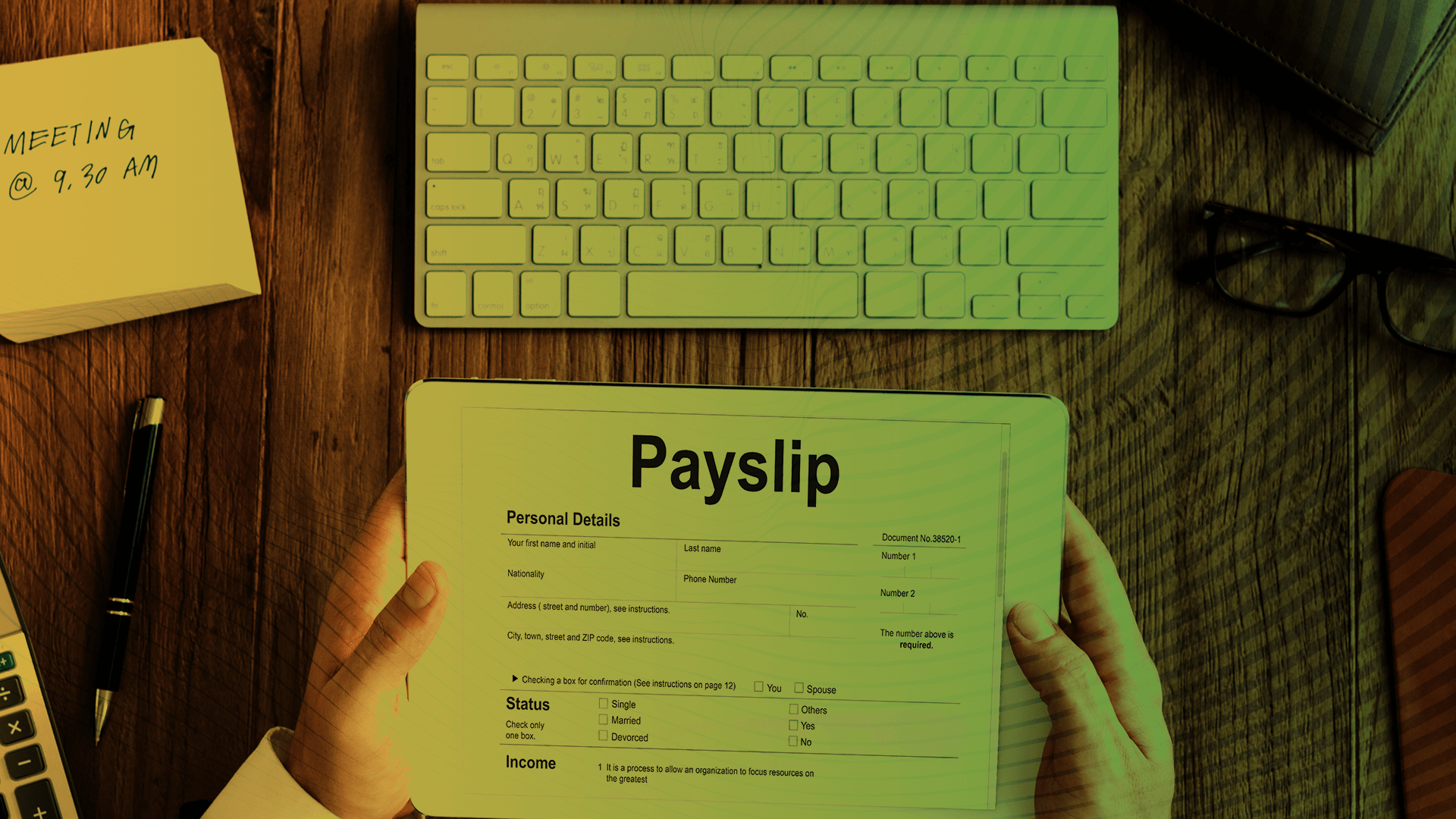
Starting a new job is exciting, and so is your first pay. But many first-time workers are surprised when the amount in their bank account is less than their agreed wage. This guide explains the main items you are likely to see on a payslip in Fiji.
Gross pay vs net pay
Gross pay is your total earnings before anything is taken out, including your normal wage plus any overtime or allowances. Net pay is what you actually receive after deductions.
FNPF contributions
The Fiji National Provident Fund (FNPF) is a compulsory retirement savings scheme. A percentage of your wage is deducted and paid into your FNPF account, and your employer also contributes on top of your wage. These savings belong to you. Check your FNPF statements regularly, through the FNPF website or app, to make sure your employer’s contributions are being paid. Contribution rates are set by the government and can change, so confirm the current rates with FNPF.
Income tax (PAYE)
If your income is above the tax-free threshold, income tax is deducted through Pay As You Earn (PAYE) and paid to the Fiji Revenue and Customs Service (FRCS). You will need a Tax Identification Number (TIN). If you do not have one, you can apply through FRCS. Current tax rates and thresholds are published on the FRCS website.
Other deductions you might see
- Union fees, if you are a union member
- Loan or salary advance repayments
- Staff purchases or uniform costs, where agreed in writing
- Insurance or other schemes you have signed up for
Check your payslip every time
- Are your hours and overtime correct?
- Is your pay rate what you agreed in your contract?
- Are FNPF and tax amounts shown?
- Do you recognise every deduction?
If something looks wrong, raise it politely with your supervisor or the payroll or HR team first. Keep copies of your payslips and employment contract.
Know your rights
Fiji has employment laws covering minimum wages, working hours, leave and fair treatment. The Ministry of Employment, Productivity and Workplace Relations can give you up-to-date information on minimum wage rates and help with workplace disputes.
This article is general information only. For advice about your own situation, contact FNPF, FRCS or the Ministry of Employment directly.